Bulldog Mom: A Designer’s Embroidery Review
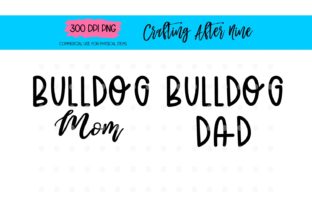
As a professional embroidery designer and product reviewer, I approach every new graphic with a critical eye toward its stitchability and market viability. When evaluating the Bulldog Mom design, my first impression is one of distinct personality and niche appeal. This isn't just a generic pet graphic; it carries a specific mood that resonates deeply with bulldog owners who view their pets as children. The layout suggests a balance between bold typography and illustrative elements, making it an immediate contender for lifestyle apparel and personalized gifts. However, before loading this machine embroidery design into production, we must look beyond the screen and evaluate how it translates from digital pixels to physical thread.
First Impressions and Visual Personality
The visual weight of Bulldog Mom feels substantial yet approachable. In the realm of Crafts and Graphics, bulldog-themed assets often lean too heavily into cartoonish exaggeration or overly aggressive styling. This design appears to strike a middle ground that is essential for commercial success. The shape language implies a sturdy composition, which is excellent for maintaining registration during stitching. For an Etsy seller or small shop product creator, this visual stability is crucial. Customers are drawn to designs that look professional in printable mockups, but they only return if the finished product matches that digital promise. The typography likely uses a font weight that can withstand various fabric textures without disappearing, a common failure point in lighter novelty designs.
Real-World Application: The Custom Sweatshirt Test
To truly judge this asset, I mentally placed it in a real-life scenario: creating a premium crewneck sweatshirt for a boutique holiday collection. Sweatshirt fleece is unforgiving; it has pile, stretch, and density that can swallow fine details. In this context, Bulldog Mom serves as a perfect case study for sweatshirt embroidery. If the design relies on intricate running stitch details for the bulldog’s facial wrinkles, those lines risk getting lost in the fleece nap. As a reviewer, I would advise checking if the facial features utilize satin stitch or column stitches to sit atop the fabric texture rather than sinking into it.
For this project, I would treat this as a potential applique design candidate if the file structure allows, or ensure the fill stitch areas have adequate underlay. A custom apparel piece like this needs to feel high-value. If the design is too sparse, the customer might question the price point. Conversely, if the stitch density is too high, the sweatshirt will become stiff and unwearable. Bulldog Mom seems sized appropriately for a 4x4 or 5x7 hoop placement on adult apparel, providing enough coverage to justify the cost while remaining comfortable. This balance is what separates a hobbyist craft from a viable craft business product.
Navigating Fabric Challenges and Hoop Limitations
While the design shines on stable knits, caution is required when adapting Bulldog Mom for more difficult substrates. I frequently see makers attempt complex graphics on baby onesies or lightweight tea towels. For baby embroidery, safety and comfort are paramount. If this design contains dense fill areas, it could create a rough patch against sensitive skin. In such cases, I recommend resizing carefully or simplifying the color palette to reduce bulk. Always verify the minimum recommended size; shrinking a detailed bulldog face below 3 inches often results in muddy features where eyes and noses merge into a singular blob of thread.
Textured fabrics like terry cloth or waffle weave present another hurdle for this tote bag design or kitchen textile application. The irregular surface demands a robust stabilizer strategy. A cut-away stabilizer is non-negotiable here to prevent the design from distorting after washing. Furthermore, if you are using this for embroidered patch creation, ensure the border definition is crisp. Patches require tight satin borders to prevent fraying, and the outer edges of Bulldog Mom must be clean enough to support this structural requirement. Dark fabrics also warrant a test run; light thread colors on navy or black fleece may require additional underlay to prevent the dark fabric from grinning through the stitches.
Commercial Viability and Brand Consistency
For the commercial embroidery entrepreneur, consistency builds trust. Using Bulldog Mom across multiple product lines—perhaps matching a mom’s sweatshirt with a baby’s bib or a nursery pillow—requires the design to scale gracefully. This is where understanding your digital embroidery file becomes critical. The ZIP file contains SVG, DXF, and PNG formats. While these are excellent for cutting machines, sublimation, and design assets for mockups, please confirm compatibility with your specific embroidery machine software. You may need to digitize or convert these vector/graphic files into a stitch format (like PES, DST, or JEF) depending on your equipment. Never assume a graphic file is stitch-ready without verification.
From a marketing perspective, this design supports strong brand recognition. Niche-specific terms like "Bulldog Mom" target a passionate demographic. When listing this as a personalized gift option, the clarity of the design in photos drives sales. Buyers need to see that the lettering is legible and the dog resembles their beloved breed. If the design performs well in your initial tests, it can become a staple holiday embroidery motif, easily adapted with seasonal color changes or added accessories like Santa hats or flower crowns. This versatility extends the lifespan of the asset in your shop, maximizing your return on investment.
Essential Designer Notes for Success
Before committing Bulldog Mom to a final sellable item, adhere to these professional best practices:
- Test Stitch First: Never skip the sample run. Use scrap fabric that matches your intended final product's weight and stretch. Check for registration issues between color blocks.
- Verify File Compatibility: Since the provided files are SVG, DXF, and PNG, ensure you have the software necessary to convert them to your machine’s native embroidery format. Confirm licensing rights for both personal use and selling finished goods.
- Evaluate Thread Contrast: Test the design in both high-contrast and low-contrast thread combinations. Some details visible in the PNG may vanish if the thread color is too similar to the fabric.
- Check Stabilizer Pairing: Match your stabilizer to the fabric, not just the design. Stretchy knits need cut-away; woven cottons may suffice with tear-away. Improper stabilization is the leading cause of poor stitch-out quality.
- Mockup Realism: When creating listings, use the included PNG for realistic previews, but consider stitching a physical sample for primary photos. Customers trust actual stitch texture over digital renders.
- Resize with Caution: If scaling the design down for smaller items like caps or sleeves, inspect tiny lettering and intricate facial details. Redigitizing may be necessary to maintain clarity at smaller sizes.
Ultimately, Bulldog Mom represents a charming opportunity for makers targeting the pet-parent niche. Its success lies not just in the graphic itself, but in the thoughtful execution of the embroidery process. By respecting fabric limitations, verifying technical specifications, and testing rigorously, you can transform this digital asset into a beloved, high-quality handmade product that customers will cherish. Whether you are an established Etsy seller or a hobbyist exploring new themes, approaching this design with professional diligence ensures your finished work honors both the art of embroidery and the passion of the bulldog community.