Mom Bandana Line Bow: A Designer’s Embroidery Review
As a professional embroidery designer and product reviewer, I approach every new digital asset with a critical eye. When evaluating the Mom Bandana Line Bow, my primary concern is not just how the graphic looks on a screen, but how it translates into thread on fabric. This design sits at the intersection of trendy aesthetics and practical application, making it a compelling option for crafters and small business owners. However, moving from a vector file to a finished handmade product requires understanding the nuances of line art in machine embroidery. My assessment focuses on real-world viability for custom apparel, personalized gifts, and commercial embroidery projects.
First Impressions and Visual Personality
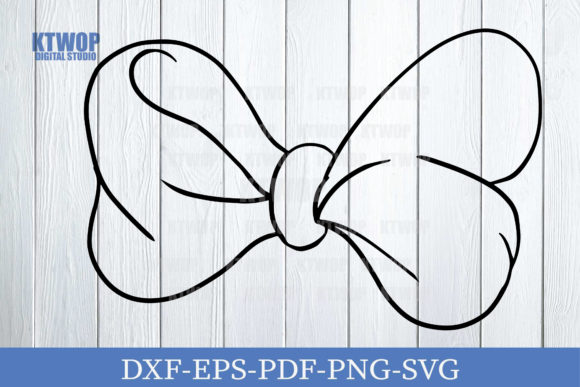
Upon opening the digital embroidery file, the Mom Bandana Line Bow presents a clean, nostalgic aesthetic that immediately signals "modern motherhood." The line work suggests a delicate balance between vintage charm and contemporary minimalism. For an Etsy seller or boutique owner, this visual personality is crucial. It avoids being overly cutesy, which expands its marketability beyond baby items to include maternal self-care products and lifestyle branding. The design assets provided—SVG, DXF, EPS, PNG, and PDF—indicate versatility, but as an embroiderer, I am specifically looking at how these lines will behave as satin stitch or running stitch elements. The mood is soft yet structured, implying that it would serve beautifully as a focal point on a sweatshirt embroidery project or as a subtle accent on a nursery pillow cover.
Real-World Application: The Custom Tote Bag Test
To truly evaluate this machine embroidery design, I mentally placed it in a specific production scenario: creating a premium canvas tote bag for a Mother’s Day collection. Tote bags are a staple for any craft business, but they present unique challenges due to fabric texture and weight. In this context, the Mom Bandana Line Bow acts as more than just decoration; it is a value-add that justifies a higher price point. When stitching this onto natural canvas, the line art style allows for excellent contrast without overwhelming the material. Unlike dense fill stitch designs that can make a bag stiff or puckered, a line-based bow maintains the drape and utility of the tote. For a small shop product, this efficiency means faster production times and less thread consumption while still delivering a high-impact personalized gift that customers perceive as thoughtful and professionally made.
Navigating Fabric Challenges and Hoop Sizes
While the design is versatile, experienced makers know that not all fabrics treat line art equally. If you plan to use this for baby embroidery on stretchy knits or ribbed onesies, caution is required. Thin, stretchy fabrics can distort fine lines if the stabilizer choice is incorrect. I strongly recommend testing on scrap fabric first to ensure the registration holds. Furthermore, when considering hoop size, verify the dimensions within your software before purchasing. Line bows often have elongated proportions that may not fit standard 4x4 hoops comfortably without resizing. Resizing line art can sometimes alter stitch density or cause gaps in satin stitch columns, so confirming compatibility with your specific machine is a non-negotiable step. For textured fabrics like terry cloth tea towels or fleece blankets, the delicate lines of the Mom Bandana Line Bow might get lost. In these cases, you may need to adjust the underlay or increase the stitch width slightly to ensure visibility and clarity in the finished product.
Elevating Brand Consistency and Customer Trust
For creative entrepreneurs and apparel decorators, consistency is key to building brand recognition. The Mom Bandana Line Bow offers a cohesive look that can be applied across multiple product categories, from aprons to caps. When customers see a unified aesthetic in your shop, it builds trust and professionalism. However, visual appeal relies heavily on execution. A poorly stitched design damages credibility. To maintain high standards, always review stitch density settings. If the design includes tiny lettering or intricate corners within the bow, inspect them closely in your editing software. Sometimes, what looks crisp in a PNG preview lacks sufficient stitch definition for actual embroidery. Ensuring that every curve and knot stitches out cleanly is what separates a hobbyist output from a commercial-grade embroidered patch or garment. This attention to detail directly influences buyer engagement and repeat sales.
Essential Technical Notes for Makers
Before listing any item featuring this design or selling the digital files themselves, adhere to these practical guidelines to ensure success and compliance:
- Verify Licensing Terms: The product note specifies that this listing includes digital files, but it does not explicitly state commercial usage rights for finished products or digital resale. Always confirm licensing before using the design for profit to avoid legal issues.
- Test Thread Color Contrast: Line art relies entirely on contrast. Test the design in black and white mockups and on both light and dark fabric backgrounds. A pale pink bow on white cotton may disappear in photos, whereas a deep rust or navy will pop in printable mockups and real-life listings.
- Stabilizer Selection is Critical: For woven fabrics like denim or canvas, a tear-away stabilizer may suffice. For knits used in custom apparel, a cut-away stabilizer is essential to prevent tunneling and maintain the shape of the bow over time and through washing.
- Check Software Compatibility: While SVG, DXF, EPS, PNG, and PDF are industry standards, not all embroidery machines read these natively without conversion. Ensure your digitizing software can properly interpret the vector paths into stitch data if you are converting this graphic into a proprietary embroidery format.
- Evaluate Washability: If using this for kitchen towels or baby clothes that require frequent laundering, consider the longevity of the stitch type. Running stitches may fray faster than satin stitches. Adjusting the design for durability ensures the handmade product remains a cherished item rather than a disposable one.
Final Thoughts on Design Viability
The Mom Bandana Line Bow represents a strong opportunity for makers who understand the translation from screen to stitch. Its strength lies in its adaptability and current relevance to the maternal and lifestyle niche. Whether you are creating holiday embroidery for seasonal sales or developing a year-round line of mom-centric merchandise, this design has the potential to perform well. Success, however, depends on the maker's willingness to test, adjust, and respect the technical limitations of their materials. By treating this graphic as a foundation for quality craftsmanship rather than a quick fix, you elevate your entire portfolio. Remember that in the world of Crafts and Graphics, the most beautiful file is only as good as the needlework it produces. Approach this project with patience and precision, and the Mom Bandana Line Bow will likely become a reliable asset in your creative business toolkit.