Reviewing Thank You Mom Design for Real Embroidery
As a designer who has stitched out thousands of files for both personal gifts and client commissions, I approach every new machine embroidery design with a critical eye. When I first loaded "Thank You Mom for the Love You Give, the Wisdom You Share and All the Sacrifices You've Made" into my software, I wasn't just looking at pretty vectors; I was evaluating how this sentiment would translate from screen to fabric. In the world of Crafts and Graphics, there is often a disconnect between digital perfection and physical reality. This review breaks down exactly how this specific design performs when needle meets thread, based on practical application rather than marketing fluff.
First Impressions: Emotional Weight vs. Stitch Reality
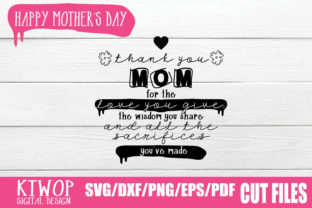
The immediate strength of this design is its narrative clarity. It isn't just a generic "Mom" graphic; it acknowledges specific emotional pillars: love, wisdom, and sacrifice. Visually, the layout suggests a balanced composition that respects the length of the phrase. For an embroidery project, text-heavy designs are notoriously tricky. My first assessment focused on the typography hierarchy. Does the word "Thank You" dominate appropriately? Are the connecting phrases legible at smaller sizes?
The mood is undeniably warm and reverent, making it an ideal candidate for a personalized gift. However, as a professional, I immediately looked for potential pain points. Long sentences in embroidery can lead to excessive jump stitches or registration issues if the digitizing isn't optimized. The design feels substantial, suggesting it belongs on items with enough surface area to breathe. It doesn't feel like a quick tag label; it feels like a centerpiece. This distinction is vital for Etsy sellers and small shop product creators who need to manage customer expectations regarding size and placement.
Real-World Application: The Custom Sweatshirt Test
To truly evaluate this asset, I mentally placed it in a real-life production scenario: creating a premium crewneck sweatshirt for a Mother’s Day boutique collection. A sweatshirt embroidery project presents unique challenges due to the thickness of fleece and the stretch of the knit. This design, given its sentimental depth, requires a stable canvas to prevent distortion.
In this context, the design serves as more than decoration; it acts as the primary value driver for the finished product. Customers buying this aren't purchasing a garment; they are purchasing a tangible expression of gratitude. Therefore, the stitch-out must be flawless. I envision placing this center-chest or across the upper back. The length of the phrase dictates that a standard 4x4 hoop might be too restrictive, potentially cramping the lettering. A 5x7 or larger hoop size would likely be necessary to maintain proper spacing and readability. For commercial embroidery businesses, verifying these dimensions before listing the item is non-negotiable to avoid wasted blanks and frustrated clients.
Navigating Fabric Limitations and Placement Risks
While versatile, "Thank You Mom for the Love You Give, the Wisdom You Share and All the Sacrifices You've Made" demands careful substrate selection. Not every fabric is a friend to detailed text. Here is where practical judgment comes into play:
- Textured Fabrics: Avoid heavy linen or terry cloth without significant modification. The intricate details of words like "wisdom" and "sacrifices" can get lost in the weave. If using tea towels or aprons, ensure the design includes a knockdown stitch or use a water-soluble topping to keep letters crisp.
- Stretchy Knits: For baby clothes or lightweight jersey, this design could cause puckering if the stitch density is too high. Always pair with appropriate stabilizer—cutaway is usually safer than tear-away for garments that will be washed frequently.
- Curved Surfaces: I would hesitate to use this full phrase on a structured cap. The horizontal span required for three distinct clauses fights against the curvature of a hat brim. This design shines best on flat surfaces like pillow covers, tote bags, or framed hoop art.
- Dark Fabrics: Contrast is king. If stitching on navy or black, ensure your thread colors provide sufficient pop. Pastel threads on dark backgrounds can sometimes recede visually, diminishing the impact of the message.
For makers creating baby embroidery items, scale is everything. Reducing a complex sentence to fit a onesie bib often results in illegibility. In those cases, consider using only a portion of the quote or saving this full design for nursery wall hangings where detail can be appreciated up close.
Impact on Brand Value and Customer Trust
For creative entrepreneurs and handmade product sellers, the quality of your graphics directly correlates to perceived brand value. Using a well-balanced design like this signals professionalism. When a customer receives a tote bag design or custom apparel piece where the text is centered, legible, and emotionally resonant, trust is established. They see that you curated the asset carefully rather than grabbing the first free file available.
This design also offers excellent versatility for digital marketing. Because the provided file types include SVG, EPS, PNG, DXF, and PDF, you can create cohesive branding across platforms. Use the PNG for high-quality printable mockup listings on Etsy. Use the SVG for laser-cut acrylic ornaments that complement your embroidered goods. This cross-media consistency helps build recognition for your craft business. However, always remember that photos in example listings are not included with the file; you must stitch out or digitally render your own previews to maintain authenticity and avoid misleading buyers.
Essential Designer Notes Before You Stitch
Before you commit this design to a final product or list it as a digital asset, run through this practical checklist. These steps separate hobbyists from professionals:
- Verify Compatibility: The listing provides SVG, DXF, EPS, PNG, and PDF. Note that these are primarily vector and image formats, not native machine formats like PES or DST. Confirm you have the software to convert these digital embroidery file types into stitches compatible with your specific machine.
- Test on Scrap: Never stitch a new design directly onto a sellable item. Test on similar fabric weight and texture to check tension and registration.
- Check Licensing: Before selling finished items or the digital files themselves, confirm the commercial license terms. Protect your business by understanding what you can and cannot do with these design assets.
- Mockup Testing: Create black and white versions of your mockups to test contrast independently of color. If the design reads well in grayscale, it will likely succeed in thread.
- Stitch Density Review: If converting from vector to stitch yourself, watch the fill areas. Overly dense fills on lightweight fabrics cause bulletproofing; sparse fills on towels look cheap. Adjust based on your target embroidered patch or garment type.
"Thank You Mom for the Love You Give, the Wisdom You Share and All the Sacrifices You've Made" is a powerful sentiment that deserves technical respect. Whether you are crafting a holiday gift, stocking an Etsy shop, or fulfilling custom orders, treating this graphic with professional care ensures the final result honors the mother it celebrates. By understanding the interplay between digital files and physical stitching, you transform simple graphics into lasting heirlooms.