Mom You Taught by Example: An Embroidery Review
As a professional embroidery designer and product reviewer, I approach every new machine embroidery design with a critical eye. It is not enough for a graphic to look beautiful on a screen; it must translate flawlessly into thread and fabric. When evaluating "Mom You Taught by Example," I am looking at more than just a sentimental phrase. I am assessing a versatile asset that bridges the gap between digital Graphics and tangible Crafts. This lettering quote collection promises to elevate handmade projects, but how does it actually perform when the needle hits the fabric? After reviewing the layout and considering real-world applications, here is my practical assessment for makers and business owners.
First Impressions and Visual Personality
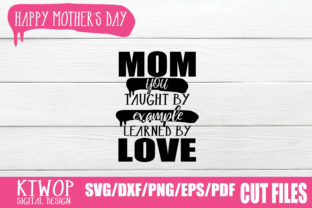
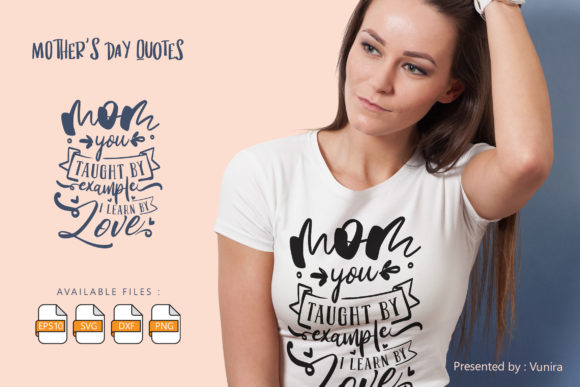
My initial reaction to "Mom You Taught by Example" is that it carries a distinct warmth without falling into cliché. The typography strikes a balance between elegance and readability, which is crucial for embroidery projects. In digitized lettering, we often see fonts that are either too ornate to stitch cleanly or too blocky to convey emotion. This design seems to avoid both pitfalls. The mood is nostalgic yet modern, making it suitable for a wide demographic ranging from new mothers to grandmothers.
From a design asset perspective, the layout feels intentional. It does not look like text simply typed out; it appears composed as a cohesive unit. For an Etsy seller or boutique owner, this matters because customers buy based on visual appeal. The lettering has enough personality to stand alone as a focal point on a tote bag design or sweatshirt, but it remains clean enough to pair with floral accents or borders if you wish to customize it further. It respects the negative space, which is vital for preventing the "bulletproof vest" effect where dense stitching makes a garment stiff and unwearable.
Real-World Application: The Custom Sweatshirt Test
To truly evaluate this digital embroidery file, I mentally placed it in a specific production scenario: creating a premium Mother’s Day sweatshirt for a small shop product line. Sweatshirts are high-value items for custom apparel businesses, but they present unique challenges due to fleece texture and stretch.
In this scenario, "Mom You Taught by Example" serves as the centerpiece of a crewneck sweatshirt. The visual hierarchy works well here. Because the phrase is emotionally resonant, it justifies a higher price point for a personalized gift. As I visualize the stitching process, I consider how the letters will interact with the fleece nap. If the design utilizes a mix of satin stitch for emphasis and fill stitch for body, it should cover the fabric texture adequately without requiring excessive density. This balance is key for commercial embroidery where run times affect profit margins. A design that stitches out efficiently while maintaining high perceived value is exactly what a craft business needs during peak holiday seasons.
Furthermore, this design translates beautifully to other mediums. I can easily see it functioning as an embroidered patch for denim jackets or as a subtle monogram-style placement on a nursery pillow. Its versatility across different hoop sizes increases its ROI for designers who want one reliable file for multiple product listings.
Navigating Fabric Challenges and Technical Limits
While "Mom You Taught by Example" is versatile, no design is immune to physics. As an experienced reviewer, I must highlight where caution is required to ensure your finished product meets professional standards.
- Textured and Stretchy Fabrics: If you are applying this to ribbed knits or heavy terry cloth, the fine details in the lettering may get lost. You must use appropriate stabilizer strategies, such as cut-away backing and potentially a water-soluble topping, to prevent stitches from sinking into the pile.
- Small Hoop Sizes: Be wary of resizing this design down significantly. Lettering quotes rely on precise spacing. Shrinking the embroidery file below its intended minimum size can cause thread breaks, registration issues, or illegible text. Always check the digitizer's recommended size range.
- Curved Surfaces: Placing a linear quote on a cap or curved tote bag requires careful hooping. If the design lacks a built-in curve compensation, you may need to distort it slightly in your editing software to ensure it reads straight once wrapped around a cylindrical surface.
- Dark vs. Light Fabrics: Contrast is everything. Test your thread colors against the base fabric before committing to a production run. White thread on cream fabric might look elegant digitally but disappear physically. Conversely, dark thread on black fabric requires high contrast outlining or metallic accents to remain visible.
Designer Notes for Professional Results
Before listing any item featuring "Mom You Taught by Example" in your shop, treat your preparation phase as seriously as your stitching phase. Here are my non-negotiable steps for ensuring quality:
- Stitch Out on Scrap Fabric First: Never assume a file is perfect out of the box. Tension varies by machine. Run a test on the exact fabric weight you intend to sell. Inspect the stitch density and edge definition.
- Verify Licensing Terms: The product description mentions utility for graphic designs and handicrafts, but you must confirm the specific license regarding commercial embroidery. Ensure you have the right to sell physical finished products versus selling the digital file itself. Protecting your business starts with respecting intellectual property.
- Create Accurate Mockups: Use a printable mockup or realistic digital preview for your listings. Customers need to see scale. Showing the design on a flat lay alongside a ruler or common object helps manage expectations regarding size and detail.
- Check Thread Compatibility: If the design calls for specific variegated or specialty threads, note this in your product description. Standard polyester might change the entire aesthetic compared to matte cotton or rayon. Consistency builds brand trust.
- Evaluate Washability: Since this is likely destined for apparel or home goods like tea towels, consider the end user. Will the applique design elements (if any) hold up to laundering? Pre-washing your base garments prevents shrinkage distortion after the customer receives their gift.
Enhancing Brand Value and Customer Trust
Ultimately, using "Mom You Taught by Example" is about more than just filling a hoop; it is about communicating care. In the saturated market of Etsy sellers and handmade vendors, professionalism distinguishes the hobbyist from the business owner. A clean, well-executed stitch-out of this quote signals to buyers that you understand your craft.
The emotional weight of this specific phrase also aids in marketing. It targets a buyer who values sentiment over trendiness. When used correctly on a baby embroidery project or a memorial gift, it creates a connection that generic clip art cannot achieve. By pairing this strong design foundation with your technical expertise—proper stabilization, color theory, and quality control—you transform a digital asset into a cherished heirloom.
Remember to review the specific file specifications provided with your purchase. While my review covers general best practices for this style of lettering, individual digitizers employ unique techniques. Confirming stitch counts, format compatibility, and included sizes ensures that "Mom You Taught by Example" becomes a staple in your design library rather than a source of frustration. With the right preparation, this design has the potential to be a consistent bestseller in your small shop product lineup, bringing both creative satisfaction and commercial success.