Mom Life Crown: A Designer’s Embroidery Review
As a professional embroidery designer and product reviewer, I approach every new graphic with a specific question: will this actually stitch out well on a finished product? When evaluating the Mom Life Crown for real-world application, my focus shifts immediately from digital aesthetics to physical execution. This design carries a distinct mood that balances regal sentiment with modern motherhood, but translating that vibe into a tangible handmade product requires careful consideration of file integrity, fabric choice, and stitch mechanics. For Etsy sellers, apparel decorators, and creative entrepreneurs, understanding how this graphic performs beyond the screen is essential for maintaining quality and customer trust.
First Impressions and Visual Hierarchy
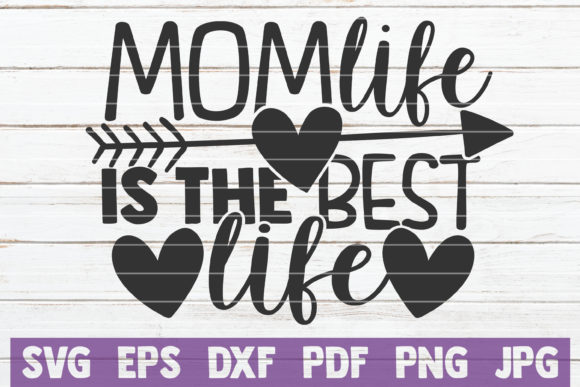
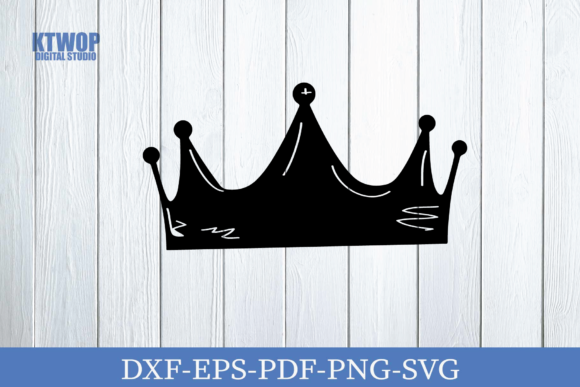
Upon opening the provided assets, the Mom Life Crown presents a clean, recognizable silhouette that communicates its message instantly. In the realm of Crafts and Graphics, clarity is king. The crown motif serves as a strong visual anchor, suggesting that the design relies heavily on balanced proportions rather than chaotic detail. For an embroidery project, this is promising. Designs with clear negative space and defined lines generally digitize better than those with excessive shading or microscopic elements. The layout feels centered and intentional, which suggests it would work beautifully as a chest placement on custom apparel or a centered focal point on a tote bag design. However, because photos on the example are not included in this listing, I must rely entirely on the vector paths and raster previews provided. This absence of stitched samples means the burden of testing falls squarely on the maker before committing to commercial production.
Real-World Application: The Sweatshirt Test
To truly evaluate this machine embroidery design, I mentally placed it in a current best-selling scenario: a heavyweight cotton sweatshirt for a boutique holiday collection. Sweatshirt embroidery requires a design that can penetrate thick fleece without getting lost or causing puckering. The Mom Life Crown appears structured enough to handle this weight. If utilizing the SVG or EPS files for digitizing, I would recommend converting the crown’s outline into a satin stitch to create a crisp border that stands out against the fabric texture. The interior could utilize a lighter fill stitch or even an applique design technique to reduce stitch density and prevent the garment from becoming stiff.
For small shop products like this, the goal is wearability. Customers want personalized gifts that feel soft and high-end, not bulletproof patches. If the crown contains intricate internal details, they must be large enough to remain open after washing. In my experience testing similar graphics, if the gaps between design elements are less than 2mm, they risk closing up on textured fabrics. Therefore, when preparing this for a sweatshirt, I would advise simplifying any tiny decorative accents within the crown to ensure stitching clarity remains high after repeated laundering.
Navigating Fabric Limitations and Hoop Sizes
While the Mom Life Crown has strong potential for apparel, caution is necessary when applying it to more challenging substrates. Stretchy fabrics like ribbed knits or performance tees require significant stabilization. Because this listing includes digital files only, you must verify the dimensions yourself. Before hooping, always confirm the hoop size compatibility with your specific machine. If the design pushes the limits of a 4x4 hoop, consider resizing it down slightly to maintain tension stability. On curved surfaces like caps, a tall crown shape can distort. I would test this design on a flat cap front first; if the vertical height exceeds the safe stitch area of your cap frame, the top points of the crown may pull or register poorly.
Dark fabrics present another variable. Without seeing a stitched sample, we cannot know if the original digitizer accounted for color contrast. If you plan to stitch this on navy or black garments, ensure your thread colors provide sufficient pop. A white or gold satin stitch usually reads best against dark backgrounds. Conversely, on light fabrics, verify that the stitch density isn't so heavy that it causes show-through. Using the proper stabilizer—cut-away for stretchy items and tear-away for stable wovens—is non-negotiable here. Always test the design on scrap fabric first to check for registration issues or thread breaks before touching a sellable blank.
Commercial Viability for Makers and Sellers
For the Etsy seller or craft business owner, the versatility of the Mom Life Crown lies in its adaptability across product categories. Beyond apparel, this graphic translates exceptionally well to home goods. As a tea towel or pillow cover motif, the crown adds a touch of whimsy to functional items. These projects typically use stable cotton or linen, making them ideal candidates for testing new embroidery files. The PNG file included in this package is particularly valuable for creating printable mockups. High-quality digital product previews drive buyer engagement, allowing customers to visualize the finished product before purchasing. Just remember that the mockup should accurately represent the scale and placement you intend to stitch.
However, professionalism hinges on licensing and technical compliance. The note specifies that this listing includes digital files, but it does not explicitly detail commercial usage rights for finished goods versus digital redistribution. As a responsible business owner, you must confirm licensing before selling finished items or using the design assets in marketing materials. Never assume a purchase grants unlimited commercial rights. Additionally, check the compatibility of files with your software. While SVG, DXF, EPS, PNG, and PDF are industry standards, some embroidery software handles vector imports differently. Ensure your program can correctly interpret the nodes and layers before beginning your embroidery project.
Technical Notes for Optimal Stitch Out
When integrating Mom Life Crown into your workflow, treat the provided files as a foundation rather than a final command. Since exact stitch counts and densities are not listed, you are responsible for validating the technical parameters. Here are practical steps to ensure success:
- Verify Dimensions: Measure the design in your software to ensure it fits your intended blank and hoop size without distortion.
- Check Contrast: Test thread colors against both light and dark fabric backgrounds to ensure visibility and aesthetic appeal.
- Inspect Small Details: Zoom in to identify any areas where running stitches might be too thin or satin stitches too wide for reliable production.
- Stabilizer Selection: Match your backing to the fabric weight; do not use generic stabilizer for specialized textiles like minky or canvas.
- Mockup Accuracy: Use the included PNG for listings, but ensure it reflects the actual stitch-out limitations of your machine.
- Wash Testing: If selling baby embroidery or kitchen linens, wash and dry a test sample to check for shrinkage or thread loosening.
Ultimately, the Mom Life Crown offers a charming thematic element for makers focusing on maternal appreciation and family-centric merchandise. Its success as a commercial embroidery asset depends entirely on your diligence during the pre-production phase. By respecting the technical constraints of machine embroidery and validating the digital files against physical realities, you transform a simple graphic download into a premium handmade product. Whether you are crafting a personalized gift for a friend or building a seasonal line for your online shop, taking these extra steps ensures that the final result honors both the design intent and your reputation as a skilled creator.