Mom Ball: A Designer’s Review for Embroidery Projects
When evaluating a new graphic for my embroidery business, I look past the initial charm and focus immediately on structural integrity. The Mom Ball design caught my eye not just as a sentimental nod to motherhood, but as a versatile geometric asset that bridges the gap between digital graphics and tangible textile art. As someone who manages a queue of custom apparel orders and boutique merchandise, I need assets that translate cleanly from screen to fabric. This review breaks down how this specific graphic performs when converted into a machine embroidery design or applied as a cut vinyl element for real-world production.
First Impressions and Visual Personality
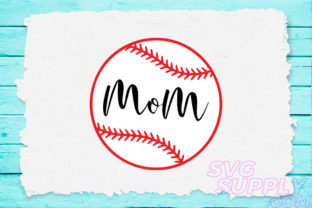
My first impression of Mom Ball is that it possesses a clean, balanced silhouette essential for successful digitizing. In the world of Crafts and Graphics, spherical designs can sometimes suffer from distortion when stretched across hoops or curved surfaces, but this layout appears grounded. The mood is approachable yet polished, avoiding overly intricate filigree that often turns into thread nests on stretchy fabrics. For an embroidery designer, this simplicity is a feature, not a limitation. It suggests that whether used as a standalone motif or part of a larger composition, the design will maintain its visual personality without overwhelming the substrate.
The included SVG file is a significant advantage here. For those of us using Cricut Explore, Silhouette Designer Edition, Adobe Suite, Inkspace, or Corel Draw, having a vector source means we can inspect every node before stitching. When I opened the file, the lines were smooth, which is critical if you plan to convert this into an applique design or use it for precise placement marks. The DXF inclusion for Silhouette users ensures that even those on free software versions can access the geometry without degradation, making this accessible for hobbyists and small shop owners alike.
Real-World Application: The Custom Sweatshirt Test
To truly judge this asset, I mentally placed it in a current client scenario: creating a line of premium sweatshirts for a local mom’s group fundraiser. This is a classic use case where design clarity equals customer trust. On a fleece-backed sweatshirt, texture is the enemy of fine detail. Mom Ball works exceptionally well here because its shape allows for bold satin stitch borders or clean fill stitch areas that sit atop the fabric pile rather than sinking into it.
I envision this design centered on the chest or placed subtly on the wrist cuff. Because the graphic is self-contained, it serves as an excellent anchor for personalized text below it. When planning custom apparel, I always consider how the design interacts with garment seams and pockets. The circular nature of Mom Ball avoids the awkward corner alignment issues that plague square logos on curved garments. For Etsy sellers, this translates to easier mockup creation; the design looks intentional and professional in printable mockups, helping buyers visualize the finished product accurately before purchasing.
Navigating Fabric Challenges and Hoop Limitations
While the design is versatile, practical experience dictates caution in specific scenarios. If you are working with small hoop sizes, verify the dimensions after any resizing. Vector files scale infinitely, but embroidery files have physical limits regarding stitch density and registration. Reducing Mom Ball too much could cause lettering or internal details to merge, especially if you are adding monogramming inside the sphere.
Fabric choice also demands attention. On thin, lightweight knits or performance wear, a dense fill stitch version of this ball could cause puckering. In these cases, I recommend utilizing the SVG to create a lighter running stitch outline or an applique variation using a matching fabric base. Conversely, on textured fabrics like terry cloth towels or canvas tote bags, ensure your stabilizer strategy supports the weight of the design. A tear-away might suffice for vinyl application, but commercial embroidery on unstable fabrics requires a sturdy cut-away to prevent the "Mom Ball" from warping after washing.
Dark fabrics present another consideration. Since the product description focuses on graphic formats rather than pre-digitized color charts, you must plan your thread colors strategically. Light thread on dark fabric requires adequate underlay to prevent the fabric color from bleeding through. Always test your chosen palette on scrap fabric first. What looks vibrant in Adobe Illustrator may require a white underlay base when stitched on navy cotton to achieve the same pop.
Commercial Viability and Brand Consistency
For creative entrepreneurs and handmade shop owners, consistency is currency. Mom Ball offers a cohesive aesthetic that can unify a product line. I can see this working seamlessly across nursery decor, baby embroidery bibs, and matching holiday gifts. The design is generic enough to be evergreen but distinct enough to build brand recognition. When selling digital embroidery files or finished goods, customers look for professionalism. A jagged, poorly optimized design screams amateur; a clean, well-executed graphic signals quality.
However, a crucial note for digital product sellers and commercial embroiderers: always confirm licensing terms before listing items. While the file formats suggest broad compatibility, the specific rights regarding resale of finished products versus digital redistribution vary by creator. Ensure you are compliant before adding this to your Etsy listings or craft fair inventory. This due diligence protects your business and maintains trust within the maker community.
Technical Notes for Makers and Designers
Before loading Mom Ball into your machine or cutter, run through this practical checklist derived from years of production work:
- Vector Inspection: Open the SVG or DXF in your preferred software to check for open paths or overlapping nodes that could confuse auto-digitizing features.
- Stitch Density Check: If converting to embroidery yourself, adjust density based on fabric weight. Fleece needs less density than quilting cotton.
- Contrast Testing: Print a black and white paper template at actual size to visualize scale and detail legibility before committing thread.
- Stabilizer Matching: Pair the design complexity with the correct backing. Use water-soluble toppers for high-pile fabrics to keep stitches visible.
- Mockup Validation: Create both light and dark background mockups to ensure the design appeals to a broader customer base.
- Wash Test: For baby items or kitchen textiles, stitch a sample and wash it three times to verify durability and shrinkage rates.
Final Thoughts on Production Value
Mom Ball represents a solid foundation for makers who understand the translation process from digital graphic to tactile object. Its strength lies in its adaptability; it respects the constraints of needle and thread while offering enough character to stand alone as a statement piece. Whether you are crafting a personalized gift for a friend or scaling up production for a boutique collection, success depends on treating this graphic as a starting point for thoughtful manufacturing decisions. By respecting fabric limitations, verifying technical specs, and testing rigorously, you transform a simple digital file into a high-value embroidered asset that customers will cherish. Remember, in our industry, the best design is one that survives the wash cycle looking as good as it did in the hoop.