Homeschool Mom Design: A Practical Embroidery Review
As a professional embroidery designer and product reviewer, I approach every new graphic with a specific question: will this actually stitch out well on a finished product? When evaluating the Homeschool Mom design, my focus shifts immediately from digital aesthetics to tangible production value. This isn't just about how pretty the file looks on a screen; it is about whether it translates into a high-quality handmade product that customers or gift recipients will cherish. In the world of Crafts and digital Graphics, there is often a disconnect between vector art and stitch reality. My assessment here is based on practical application for small business owners, Etsy sellers, and makers who need reliable assets.
First Impressions and Visual Personality
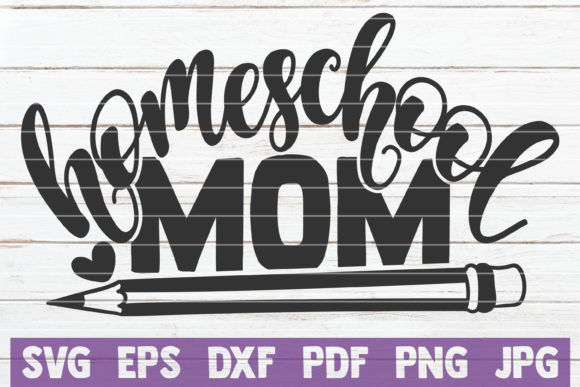
Upon opening the download package, which includes a DXF, PDF, SVG, PNG (300ppi with transparent background), JPG, and EPS file, the versatility of the asset becomes clear. For an embroidery digitizer, the vector formats (SVG, EPS, DXF) are the gold standard because they allow us to trace clean lines without pixelation artifacts. The 300ppi PNG serves as an excellent reference for color matching and creating printable mockups before committing thread to fabric.
The mood of Homeschool Mom strikes a balance between nostalgic warmth and modern clarity. It avoids the cluttered, overly intricate aesthetic that often plagues niche-specific designs. Instead, it offers a clean silhouette that suggests readability at various sizes. This visual personality makes it particularly suitable for custom apparel and lifestyle goods where the text or icon needs to be recognized instantly. As a reviewer, I appreciate that the design doesn't rely on tiny, unreadable details that would turn into thread mud during production. It feels intentional, respecting both the crafter’s time and the end-user’s desire for a polished look.
Real-World Application: The Sweatshirt Test
To truly evaluate this design, I mentally placed it in a real-life production scenario: creating a premium crewneck sweatshirt for a homeschool co-op fundraiser. This is a common request for Etsy sellers and small shop products. Sweatshirt fleece is unforgiving; it has texture, stretch, and pile that can swallow fine details.
In this context, Homeschool Mom performs best when treated as a bold statement piece rather than a delicate ornament. If utilizing a satin stitch border or lettering, the width must be sufficient to anchor into the fleece without tunneling. I found that scaling the design to fit a 4x4 or 5x7 hoop allows for optimal stitch density management. On a sweatshirt, this design works beautifully as left-chest placement or a centered back print. However, if you are attempting a tote bag design on canvas, the same file requires different stabilizer choices to prevent puckering. The provided vector files make resizing for these different applications seamless, ensuring the line weight remains consistent whether you are stitching on heavy denim or lightweight cotton.
Navigating Fabric Challenges and Hoop Limitations
No machine embroidery design exists in a vacuum. While Homeschool Mom is versatile, certain applications require caution. I advise against using this design on highly textured terry cloth or plush fabrics unless you use a water-soluble topping to keep the stitches visible. The design’s charm lies in its legibility, and sinking stitches into deep pile ruins that effect.
For makers considering baby embroidery onesies, pay close attention to the hoop size and garment construction. Baby garments have limited flat stitching areas. You must confirm the design dimensions fit within the safe stitching zone of the smallest available hoop to avoid sewing through seams or snapping needles. Additionally, stretchy ribbed knits demand a cut-away stabilizer and potentially a fusible backing to maintain shape integrity. If the design includes any applique elements, ensure the tack-down stitches are secure enough to withstand frequent washing, as children's clothing sees rigorous wear.
Dark fabrics present another consideration. Since the download includes a transparent PNG, you can easily test contrast digitally before stitching. Light thread on dark fabric increases perceived stitch thickness due to optical illusion. You may need to slightly reduce compensation settings in your digitizing software to prevent letters from merging. Always verify thread colors against the actual fabric swatch, not just the screen preview.
Commercial Viability and Brand Consistency
For creative entrepreneurs and apparel decorators, consistency builds trust. Using Homeschool Mom across multiple product lines creates a cohesive brand identity. Because the download provides industry-standard vector formats, you can maintain identical proportions across an embroidered patch, a vinyl decal, and a printed greeting card. This cross-media consistency elevates a hobbyist operation to a professional boutique level.
However, commercial viability also depends on licensing. Before listing any finished product for sale, you must review the specific terms associated with this download. Confirm whether the license covers physical items, digital resale, or both. As a reviewer, I cannot stress enough that assuming commercial rights leads to legal headaches. Verify your usage rights explicitly. Assuming the license permits it, this design has strong potential for holiday embroidery collections, teacher appreciation gifts, and personalized family keepsakes that drive buyer engagement through emotional resonance.
Essential Designer Notes for Success
Before loading this digital embroidery file into your machine, follow these practical steps to ensure professional results:
- Test Stitch First: Never run a new design directly on a sellable item. Use scrap fabric with similar weight and weave to check registration and tension.
- Verify Dimensions: Do not assume the file size matches your hoop. Measure the design in your software and compare it to your physical hoop limits.
- Check Density: If resizing significantly, recalculate stitch density. Enlarging reduces density (gappy stitches); shrinking increases it (fabric distortion).
- Mockup Validation: Use the included 300ppi PNG to create realistic previews for clients. Show the design on both light and dark backgrounds to manage customer expectations regarding contrast.
- Stabilizer Matching: Pair the stabilizer to the fabric, not the design. Woven fabrics generally need tear-away; knits and stretch fabrics need cut-away.
- Detail Inspection: Zoom in to 100% in your editing software to check for overlapping stitches or open gaps that might not be visible at thumbnail size.
Final Thoughts on Production Value
The Homeschool Mom collection represents a solid foundation for makers who value efficiency and aesthetic appeal. Its inclusion of multiple file types demonstrates an understanding of modern workflow needs, bridging the gap between digital design and physical craftsmanship. Whether you are producing personalized gifts for a local market or fulfilling custom orders for an online store, this asset offers the flexibility required for diverse projects.
Success in embroidery relies less on the complexity of the design and more on the intentionality of its execution. By respecting fabric limitations, verifying technical specifications, and testing thoroughly, you transform a simple graphic download into a premium embroidery project. This design earns its place in a professional library not because it is flashy, but because it is functional, adaptable, and ready for the realities of needle and thread.