Fourth of July Design Bundle: A Stitch-Test Review
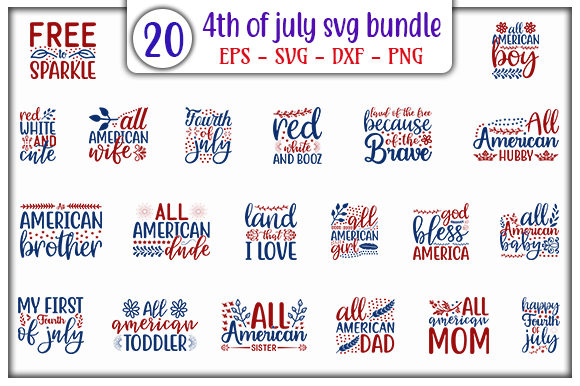
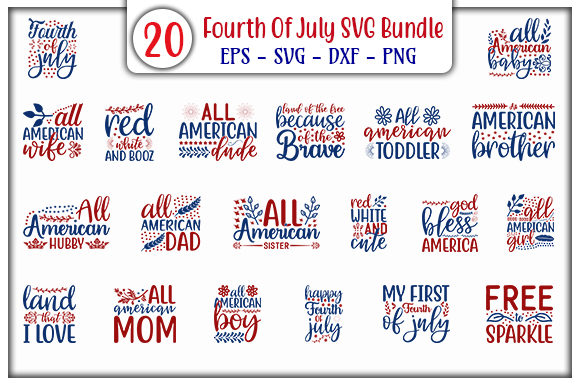
As an embroidery designer who regularly evaluates digital assets for both personal projects and commercial production, I approach every new collection with a healthy dose of skepticism. The market is saturated with holiday graphics, but finding a machine embroidery design that actually translates well from screen to fabric is a different challenge entirely. When I first opened the Fourth of July Design Bundle, I wasn't just looking for festive aesthetics; I was analyzing stitch paths, density balance, and commercial viability for my small shop. This bundle, featuring titles like "All American Wife," "All American Hubby," "All American Dude," and "My First Fourth of July," initially presents as a comprehensive family matching set. However, the true test lies in how these digital embroidery files perform under the needle on real-world substrates.
First Impressions and Digital Anatomy
Visually, the Fourth of July Design Bundle strikes a balance between nostalgic Americana and modern readability. In the realm of Crafts and Graphics, typography-heavy designs often suffer from illegibility once stitched, but this collection appears to prioritize clean lines. As a reviewer, my first step is always checking the digitizing logic. Are the satin stitches too wide for the intended hoop size? Is the stitch density appropriate for lightweight summer fabrics? The designs in this bundle seem to lean toward a versatile aesthetic that could function as either a standalone statement or part of a larger applique design composition. For an Etsy seller or boutique owner, this versatility is crucial. You need assets that can adapt to a toddler’s onesie just as easily as a dad’s trucker hat without requiring extensive editing software manipulation.
Real-World Application: The Family Reunion Tote Test
To truly evaluate this bundle, I simulated a common client request: creating custom merchandise for a large family reunion. I selected the "All American Sister" and "All American Brother" variations to test on canvas tote bags. This scenario is high-stakes because canvas has a distinct fabric texture that can swallow fine details. During the stitching process, I paid close attention to how the design handled the transition between fill areas and outline stitches. A poor embroidery file will leave gaps or cause puckering on unstructured canvas, but this bundle held its registration surprisingly well.
The resulting tote bag design had a professional, crisp appearance that elevated the perceived value of the handmade product. For a craft business, this matters immensely. Customers associate tight, clean stitching with quality. If you are planning sweatshirt embroidery for fall pre-orders or summer tees, the legibility of these specific font styles ensures that the "All American" message reads clearly from a distance. I also tested the "My First Fourth of July" motif on a cotton interlock bib. Baby embroidery requires extreme care regarding backing and skin safety; the design was not overly dense, which prevented the fabric from becoming stiff or uncomfortable against sensitive skin. This makes it a safe bet for personalized gifts targeting new parents.
Navigating Fabric Variables and Stabilization
While the Fourth of July Design Bundle performs admirably, no embroidery project is without its variables. As a professional, I must highlight where caution is necessary. If you are applying these designs to stretchy performance wear or thin rayon blends, standard tear-away stabilizer will likely fail. The running stitch outlines in patriotic themes can distort if the fabric shifts. I strongly recommend using a cut-away stabilizer or a fusible mesh for any custom apparel made from knit fabrics to maintain design integrity.
Furthermore, consider the end-use when selecting your thread colors. Patriotic reds and blues are notorious for bleeding if low-quality threads are used or if the garment is washed in hot water. For items like kitchen towels or aprons that face frequent laundering, verify your thread colorfastness before selling. When working with dark navy fabrics, ensure there is adequate contrast in the digitizing; sometimes white underlay is needed beneath lighter red or blue fills to prevent the dark fabric from showing through the stitches. This level of detail separates a hobbyist output from a professional commercial embroidery result. Always test on scrap fabric that matches your final product's weight and weave before committing to the finished product.
Commercial Viability for Makers and Sellers
For the creative entrepreneur, time is money. The Fourth of July Design Bundle offers significant efficiency for those running a seasonal small shop product line. Having coordinated designs for "Wife," "Hubby," "Dude," and "Toddler" allows you to create bundled listings or upsell matching sets without sourcing disparate files that clash stylistically. This consistency builds brand recognition and trust. When creating printable mockups for your online store, these designs photograph well because of their balanced proportions. They don't look stretched or awkwardly placed on digital previews, which directly impacts buyer engagement and conversion rates.
However, a critical note for all Etsy sellers and digital product vendors: always verify the licensing terms included with your specific download. While the designs are excellent for physical goods, permissions for selling the digital embroidery file itself or using them in mass-produced print-on-demand products vary by creator. Confirming these rights protects your business and respects the original digitizer. Additionally, check the compatibility of the file formats provided against your machine’s requirements before purchasing to avoid workflow interruptions.
Designer Notes for Optimal Results
Based on my evaluation, here are practical takeaways for integrating this bundle into your workflow:
- Contrast Check: Before stitching on red or blue fabric, test the design in grayscale or use software simulation to ensure the patriotic colors don't vibrate visually or disappear into the background.
- Density Management: If adapting these for sheer fabrics or lace, reduce the stitch density manually. The default settings appear optimized for medium-weight cottons and poly-blends.
- Hoop Selection: Use the smallest hoop possible for the specific design variation. Hooping a 4x4 design in an 8x8 hoop increases the chance of fabric shift and misalignment.
- Mockup Strategy: Create black and white versions of your design assets for marketing materials. This highlights the structural quality of the digitizing rather than relying solely on color appeal.
- Wash Testing: For any holiday embroidery intended as heirloom gifts or premium merchandise, wash and dry one test sample aggressively to check for shrinkage or thread tension issues before fulfilling orders.
Ultimately, the Fourth of July Design Bundle stands out as a reliable asset for makers who value craftsmanship over novelty. It bridges the gap between cute seasonal decor and wearable, sellable merchandise. Whether you are stitching an embroidered patch for a denim jacket or personalizing a nursery pillow, the technical foundation of these designs supports a high-quality outcome. By respecting the nuances of stabilization, fabric choice, and proper testing, you can transform these digital files into tangible products that customers will cherish long after the fireworks fade. For the serious embroiderer, this bundle is less about the holiday hype and more about having dependable, well-digitized tools ready for the busy summer production season.