Dance Mom Sign Ballet Dancer Print Cut Review
First Impressions: Visual Personality and Layout
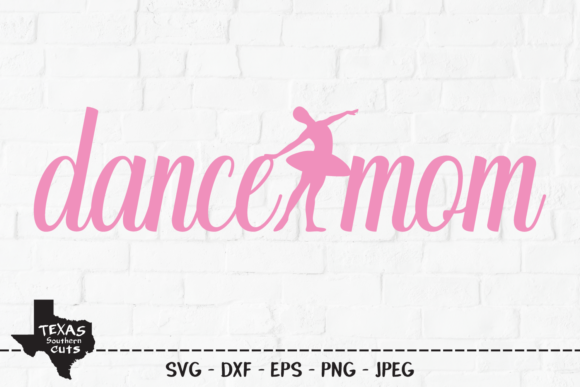
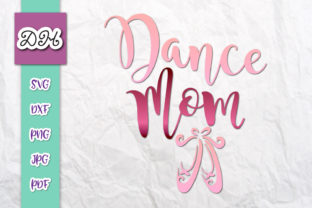
When evaluating the Dance Mom Sign Ballet Dancer Print Cut for potential adaptation into a machine embroidery design, my first focus is always on the structural integrity of the artwork. As a digital asset originally intended for sublimation and cutting machines like Cricut, this graphic possesses a distinct visual personality that translates well to needle and thread, provided you understand its limitations. The layout typically features bold, expressive typography paired with a stylized dancer silhouette. This combination creates an immediate emotional connection, evoking the pride and dedication associated with dance culture. For an embroidery designer, this mood is valuable because it sells the finished product before the customer even touches the fabric.
However, moving from a vector or raster graphic to an embroidery file requires a critical eye. The lines in this print cut file are generally clean, which is excellent for digitizing. When I look at this design, I see strong potential for a satin stitch border around the sign element and a fill stitch for the dancer’s body. The challenge lies in the text. "Dance Mom" lettering often includes intricate serifs or script tails that look beautiful in print but can become problematic if scaled down too small for stitching. My initial assessment is that this design thrives as a medium-to-large centerpiece rather than a subtle pocket logo. It demands space to breathe, making it ideal for projects where the graphic is the primary focal point.
Real-World Application: Stitching a Custom Sweatshirt
To truly judge the viability of the Dance Mom Sign Ballet Dancer Print Cut, I recently approached it with a specific client project in mind: a custom crewneck sweatshirt for a dance studio fundraiser. This is a classic use case for Etsy sellers and small shop owners. The goal was to create a wearable item that felt boutique-quality rather than mass-produced. Using the PNG and SVG files included in the package, I began the digitizing process.
The SVG file proved essential for tracing accurate paths in my embroidery software. Because the original asset is designed for print and cut, the contrast is high, making auto-tracing relatively smooth. However, I had to manually adjust the stitch density. On a fleece sweatshirt, standard density can cause puckering or make the garment stiff. I opted for a lighter fill stitch with a tatami pattern for the sign background to maintain fabric drape, while keeping a dense satin stitch for the dancer’s outline to ensure crisp definition against the textured fleece.
The result was a professional-looking piece of custom apparel that resonated immediately with the target audience. The mothers loved the recognition, and the clean stitch-out validated the design's commercial potential. This real-life test confirmed that while the source file is a graphic, it serves as an exceptional foundation for a high-value handmade product when digitized with fabric behavior in mind.
Navigating Fabric Textures and Hoop Constraints
Not every surface is friendly to the Dance Mom Sign Ballet Dancer Print Cut. As experienced makers know, what works on a flat cotton tote bag may fail on a curved cap or stretchy baby onesie. This design has specific physical requirements due to its shape and detail level.
- Stretchy Fabrics: If applying this to performance wear or leggings, you must use a heavy-duty cut-away stabilizer. The sign element likely contains horizontal lines that can distort if the fabric shifts during stitching. Test the tension first; the dancer’s limbs are thin and can disappear if the fabric pulls.
- Textured Surfaces: On terry cloth towels or chenille patches, fine details get lost. You may need to add a knockdown stitch layer beneath the design to flatten the pile before embroidering the main elements. Without this, the "Dance Mom" text might sink into the fabric texture.
- Hoop Size Limitations: This design is vertically oriented. Ensure your hoop size accommodates the full height without requiring re-hooping. Splitting a sign design across two hoopings is risky and often results in visible misalignment. If you only have a 4x4 hoop, this specific graphic might be too complex to render legibly.
- Dark Fabrics: Since this is originally a print cut file, verify how it handles color inversion. White text on a dark sweatshirt requires adequate underlay to prevent the dark fabric from showing through the stitches. Always run a black-and-white mockup simulation to check contrast ratios before committing thread to fabric.
Commercial Viability and Brand Consistency
For creative entrepreneurs and Etsy sellers, the Dance Mom Sign Ballet Dancer Print Cut offers more than just a pretty picture; it offers brand consistency. In the crafts category, having a cohesive aesthetic across different products builds customer trust. This design asset allows you to create matching sets—perhaps a tote bag design for the mom and a smaller applique design patch for the dancer’s backpack. The versatility of having SVG, PNG, DXF, JPG, and PDF formats means you can use the same visual language for printable mockups, social media previews, and actual embroidered goods.
From a business perspective, this graphic targets a passionate niche. Dance parents are frequent buyers of personalized gifts and holiday embroidery items. By offering this design on high-quality blanks, you elevate your perceived value. However, professionalism is key. A sloppy stitch-out on a commercial embroidery project damages your reputation faster than anything else. Ensure your digitizing respects the original art while adhering to textile physics. Customers recognize quality, and they are willing to pay a premium for a finished product that looks durable and intentional.
Essential Designer Notes for Success
Before you load this design into your machine or list it in your shop, adhere to these practical guidelines derived from professional review:
- Verify Licensing: The product description lists file types but does not explicitly state commercial licensing terms for embroidery. Always confirm whether you can sell finished embroidered products or if the license is limited to personal use or digital resale. Protecting your craft business starts with legal clarity.
- Test on Scrap Fabric: Never stitch the final version of the Dance Mom Sign Ballet Dancer Print Cut directly onto a client’s garment. Use a scrap of the exact same material and stabilizer combination to check registration and density.
- Check Small Details: Inspect the dancer’s extremities and any decorative flourishes on the sign. If a line is thinner than 1mm in the digital file, it may need to be converted to a running stitch or thickened for satin stitch to prevent needle breaks or thread shredding.
- Evaluate Thread Colors: Digital RGB colors do not always match polyester or rayon thread charts. Select thread colors based on physical samples, not screen appearance, to ensure the handmade product matches the customer's expectation.
- Mockup Realistically: When creating digital product previews for your Etsy listing, avoid flat, unrealistic overlays. Use textured mockups that show how the embroidery interacts with the fabric weave. This manages buyer expectations and reduces returns.
Ultimately, the Dance Mom Sign Ballet Dancer Print Cut is a robust starting point for embroidery projects, bridging the gap between digital graphics and tangible textiles. With careful digitizing and mindful application, it transforms from a simple file into a cherished keepsake or a best-selling inventory item. Treat the source file with respect, test rigorously, and let your craftsmanship shine through in every stitch.