Bonus Mom Design Review: Stitching With Heart
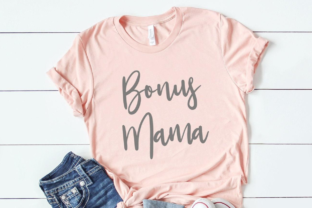
When evaluating a new machine embroidery design for client work or shop inventory, I look beyond the digital preview. As designers and makers, we know that what looks crisp on a screen must also translate beautifully through needle and thread. The "Bonus Mom" graphic carries an immediate emotional weight that resonates deeply in our current market. It is more than just text; it is a recognition of modern family dynamics and blended families. However, translating this sentiment into a tangible handmade product requires careful consideration of how the artwork interacts with fabric, stabilizer, and stitch types.
First Impressions and Emotional Resonance
My first impression of Bonus Mom is its clean, approachable typography paired with a sentiment that feels genuine rather than generic. In the realm of Crafts and personalized gifting, specificity sells. Customers are actively seeking items that validate unique relationships, and this design hits that mark perfectly. Visually, the layout suggests a balance between boldness and elegance. For an Etsy seller or boutique owner, this type of niche-specific wording often outperforms broad terms like "Mom" because it targets a buyer who feels underserved by standard merchandise.
From a technical design perspective, the letterforms appear to have enough structural integrity to support various stitch types. Whether you interpret this as a pure embroidery file or incorporate it into an applique design, the shape language needs to remain legible at different scales. The mood is warm and affirming, which dictates my material choices immediately. I would avoid stark, industrial aesthetics in favor of soft cottons, warm fleece, or natural linens that complement the nurturing message.
Real-World Application: The Custom Sweatshirt Test
To truly judge the viability of Bonus Mom, I mentally place it in a real-life production scenario. Recently, I prepared a custom order for a blended family reunion involving matching apparel. This design would be ideal for a sweatshirt embroidery project intended as a gift for a stepmother. Sweatshirts present specific challenges due to the thick pile and stretch of the fabric.
In this scenario, I would treat Bonus Mom as a centerpiece on the chest or back of a crewneck. If using a fill stitch for the letters, I would ensure the stitch density is adjusted to prevent the garment from becoming bulletproof or distorting the knit. Alternatively, if utilizing an applique method, the design’s likely smooth edges would allow for a clean satin stitch border that encapsulates the fabric without fraying. The key here is contrast. On a heather grey sweatshirt, I might choose a deep burgundy or navy thread to maintain readability while keeping the vibe cozy. For a personalized gift of this nature, the execution must feel premium; sloppy registration or puckering would undermine the sentimental value of acknowledging a "bonus" parent.
Navigating Fabric Textures and Hoop Limitations
While Bonus Mom has strong potential for custom apparel, there are environments where caution is necessary. When working with textured fabrics like terry cloth towels or ribbed knits, fine details can get lost. If the design includes delicate serifs or thin connecting lines, these elements may sink into the pile. In such cases, I always recommend testing on scrap fabric first. You may need to add a topping or increase the column width of your running stitch underlay to create a stable foundation.
Hoop size is another critical factor. This design likely has a specific aspect ratio that does not scale infinitely. Before committing to a tote bag design or a small pocket logo, verify the dimensions against your available hoops. Stretchy fabrics, such as performance wear or baby onesies, require exceptional stabilization. For baby embroidery specifically, comfort is paramount. A dense fill stitch version of Bonus Mom on a lightweight bodysuit could irritate sensitive skin. In these instances, a lighter running stitch outline or a felt applique approach reduces bulk significantly.
Curved surfaces like caps also demand scrutiny. Flat Graphics do not always wrap well around a structured hat brim. If you plan to use Bonus Mom for headwear, check if the design has been digitized with cap compensation or if you will need to manually adjust the pull compensation to prevent gaps in the lettering.
Commercial Viability and Brand Consistency
For those running a craft business, consistency builds trust. Bonus Mom offers excellent versatility across product lines. It works equally well as a standalone statement piece or as part of a larger collection including "Bonus Dad" or sibling designs. This cohesion helps with printable mockup creation and shop branding. When customers see a unified aesthetic across your listings, they perceive higher professionalism.
However, commercial use requires diligence. Always confirm the licensing terms associated with your specific digital embroidery file. Some licenses permit selling finished physical products but restrict selling the digital files themselves or using them in mass production. Understanding these boundaries protects your business. Furthermore, when creating listings, photograph the actual stitched result rather than relying solely on digital renders. Buyers want to see how the thread colors interact with the fabric texture. Showing the design on both light and dark backgrounds in your listing photos manages customer expectations regarding contrast and visibility.
Designer Notes for Optimal Results
Based on my experience reviewing and stitching similar assets, here are practical steps to ensure success with Bonus Mom:
- Test Stitch First: Never run a final production piece without a test sew-out. Check for registration issues, especially if combining multiple hoopings or adding names.
- Stabilizer Selection: Match your stabilizer to the fabric weight. Use cut-away for stretchy knits and tear-away for stable wovens. For sheer or lightweight fabrics, consider a wash-away topper to keep stitches crisp.
- Thread Contrast Check: View your thread choice against the fabric in natural lighting. Digital screens can be deceiving. Ensure the text pops sufficiently for the intended viewing distance.
- Detail Inspection: Zoom in on the digital file before stitching. Look for tiny jumps or excessively short stitches that might cause thread breaks or machine errors.
- Mockup Verification: Create black and white mockups to test value contrast independent of color. If the design disappears in grayscale, it may lack sufficient definition for certain fabric combinations.
- Wash Testing: If creating items like tea towels or baby blankets that require frequent laundering, wash your test sample aggressively. Ensure the stitch density holds up and the fabric doesn't pucker after drying.
Elevating the Finished Product
Ultimately, the success of Bonus Mom lies in the maker's attention to detail. A well-executed embroidered patch or holiday ornament featuring this design becomes a cherished keepsake. The phrase itself invites connection, but the quality of the craftsmanship validates that connection. When a recipient receives a holiday embroidery gift with this title, they are receiving acknowledgment. If the stitching is neat, the hooping is straight, and the materials are appropriate, the item transcends being mere merchandise.
Whether you are an established small shop product developer or a hobbyist making gifts for loved ones, treat this design with the respect its sentiment deserves. Verify your file formats (SVG, EPS, DXF, PNG) are compatible with your workflow, whether you are cutting vinyl or digitizing for embroidery. By combining technical precision with emotional intelligence, Bonus Mom can become a staple in your creative repertoire, delivering both customer satisfaction and personal fulfillment in every stitch.