All American Mom 4th of July: A Designer’s Review
As a professional embroidery digitizer and product reviewer, I approach every new design file with a specific set of criteria. It is not enough for a graphic to look appealing on a screen; it must translate effectively into thread, withstand washing, and ultimately sell as a finished product. When evaluating the All American Mom 4th of July design asset, my primary focus is on its versatility for custom apparel and its structural integrity for machine embroidery. This review breaks down how this digital file performs in real-world production scenarios for Etsy sellers, boutique owners, and serious hobbyists.
First Impressions and Visual Hierarchy
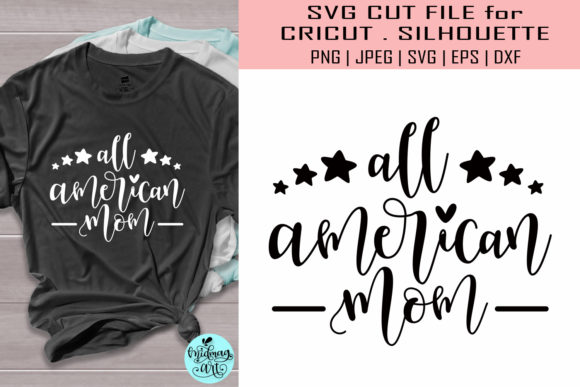
Upon opening the zip file containing the SVG, DXF, EPS, PNG, and JPEG formats, the immediate strength of this graphic is its clear visual hierarchy. For T-Shirt Designs and general Graphics, clarity is paramount. The typography balances boldness with readability, which is the first indicator of potential success in embroidery. Intricate scripts often fail when stitched at smaller sizes, but this layout appears to respect the physical limitations of thread.
The mood strikes a balance between nostalgic patriotism and modern maternal pride. It avoids looking like a generic clip-art collection and instead feels like a cohesive brand statement. For a creative entrepreneur, this distinction matters. Customers are not just buying a flag motif; they are buying an identity. The design assets included provide high-resolution options that allow for crisp printable mockups, ensuring that what you advertise online matches the texture and weight of the final embroidered patch or sweatshirt embroidery.
Real-World Application: The Custom Sweatshirt Test
To truly judge this machine embroidery design, I mentally placed it in a current best-selling context: a Gildan 18000 sweatshirt in heathered navy. This is a staple for small shop products and holiday embroidery collections. In this scenario, the All American Mom 4th of July graphic serves as a center-chest placement rather than a full-back print.
When adapting this vector art for needle and thread, the transition from digital lines to stitch types becomes critical. If utilizing this as an applique design, the clean outer edges suggested by the SVG file make for excellent satin stitch borders. However, if stitching directly onto fleece, one must consider stitch density. Fleece has a high pile that can swallow running stitches. Based on the graphic's weight, I would recommend increasing the underlay or using a water-soluble topping to ensure the lettering remains legible. This specific application highlights why testing your embroidery file on scrap fabric is non-negotiable before listing a personalized gift for sale.
For those creating tote bag designs or kitchen textiles, the contrast requirements shift. A white or cream thread on natural canvas provides a classic Americana aesthetic, but the stabilizer choice becomes the deciding factor for longevity. Canvas is stable, but the hoop size must be selected carefully to prevent distortion in the corners of the text. This design’s geometry suggests it will hold up well on structured fabrics, making it a strong candidate for aprons and caps where fabric texture varies significantly.
Navigating Fabric Limitations and Technical Constraints
While the All American Mom 4th of July graphic is versatile, experienced makers know that no design is universal. There are specific environments where caution is required.
- Stretchy Performance Fabrics: If applying this to moisture-wicking athletic wear, the stitch density must be managed aggressively. Too many stitches in a concentrated area will cause puckering or fabric damage. You may need to simplify internal details of the graphic when converting to a digital embroidery file for stretch knits.
- Dark vs. Light Backgrounds: Always test thread colors against both black and white backgrounds. Some red threads appear brown on dark fabric without adequate underlay, while white threads may disappear on light pastels. The provided JPEG and PNG files are useful here for creating accurate color charts for client approval.
- Curved Surfaces: When moving from flat shirts to curved surfaces like caps or baby embroidery on onesies, horizontal distortion is common. The aspect ratio of this design may require slight modification or specialized hooping techniques to maintain proportionality.
- Small Hoop Sizes: If you are limited to a 4x4 hoop, verify that the smallest text elements remain above 4mm in height after resizing. Reducing complex graphics too far results in thread breaks and illegible characters.
Commercial Viability and Brand Consistency
For Etsy sellers and commercial embroidery businesses, consistency builds trust. Using the All American Mom 4th of July across multiple product lines creates a recognizable seasonal collection. Because the zip file includes scalable vector formats (SVG, EPS, DXF), you can maintain identical proportions whether you are producing a tiny embroidered patch for a denim jacket or a large pillow cover for nursery decor.
This scalability directly impacts perceived value. A pixelated edge on a printed mockup signals low quality to buyers, whereas the crisp vectors included here signal professionalism. Furthermore, having multiple file types streamlines workflow. You can use the PNG for social media teasers and the SVG for laser cutting vinyl heat transfers if you offer mixed-media custom apparel. This flexibility maximizes the return on investment for your design assets.
However, commercial use requires due diligence. Before selling finished products or digital derivatives, always confirm the specific licensing terms associated with this purchase. Ensure you are permitted to use the file for commercial embroidery projects and understand any restrictions on reselling the digital embroidery file itself. Protecting your business means respecting intellectual property while leveraging these tools to create unique handmade products.
Essential Pre-Production Checklist for Makers
Before loading this design into your machine for a paid order, run through this practical checklist to ensure professional results:
- Verify Stitch Compatibility: Since the product description lists graphic formats (SVG, DXF, EPS, PNG, JPEG) but does not explicitly list machine-specific embroidery formats (like PES, DST, or JEF), confirm whether you have the software necessary to convert these vectors into stitches, or if a pre-digitized version is available elsewhere.
- Analyze Stitch Density: Use your embroidery software to check for areas of excessive density. Adjust pull compensation to account for fabric shrinkage during stitching.
- Select Proper Stabilizer: Match the stabilizer to the fabric weight. Cutaway for knits and sweatshirts; tear-away for woven cottons and tea towels.
- Contrast Check: View the design in grayscale to ensure tonal separation exists even without color. This ensures the design reads well in various lighting conditions.
- Sample First: Never skip the test stitch-out. Inspect registration, tension, and trimming requirements on the exact material intended for the final project.
Final Thoughts on Design Utility
The All American Mom 4th of July stands out as a robust foundation for seasonal merchandise. Its strength lies in its balanced composition and the inclusion of industry-standard vector formats that support both digital printing and embroidery conversion. For the apparel decorator or craft business owner, it offers a reliable starting point for creating high-value, emotionally resonant goods.
Success with this design depends less on the file itself and more on the maker's technical execution. By respecting fabric characteristics, managing stitch density, and validating your process through sampling, you transform a simple digital download into a premium handmade product. Whether destined for a family reunion shirt or a boutique window display, this graphic possesses the visual weight and thematic relevance necessary to engage buyers and celebrate the season with professional polish.