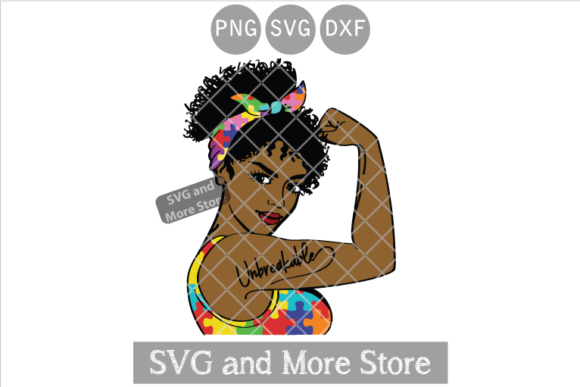
Afro Mom, Autism Mom Unbreakable: Design Review
As a professional embroidery designer and product reviewer, I approach every new graphic with a specific question: will this translate beautifully from screen to stitch? When evaluating the Afro Mom, Autism Mom Unbreakable design, my assessment goes beyond simple aesthetics. I am looking at structural integrity, emotional resonance, and commercial viability for fellow makers. This illustration carries significant weight, representing identity, neurodiversity, and maternal strength. As such, treating it as just another digital file does it a disservice. It requires thoughtful application to honor the message while ensuring the finished product meets professional standards.
Visual Weight and Emotional Resonance in Stitch
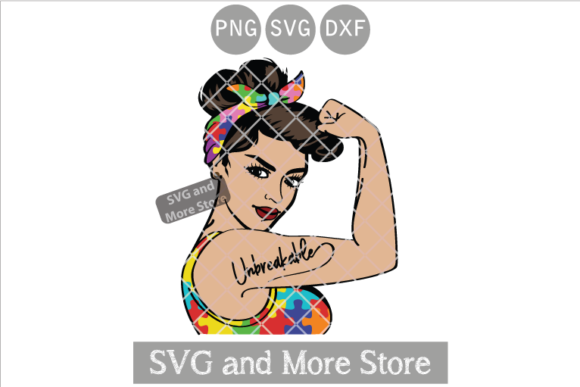
The first impression of Afro Mom, Autism Mom Unbreakable is one of bold affirmation. In the realm of illustrations and graphics intended for textile art, this design possesses a distinct visual personality. The typography and imagery suggest resilience without being aggressive. For an embroidery project, this mood dictates our technical choices. We are not merely covering fabric; we are communicating a lived experience. The layout appears balanced for center-chest placement or back-of-garment statements, but the true test lies in how those lines convert to thread paths.
When I look at this digital embroidery file, I immediately consider the interplay between negative space and stitch density. A design celebrating "unbreakable" strength needs to feel substantial under the needle. If the lettering is too spindly, it risks getting lost in the fabric texture or breaking during wear. Conversely, if the fill areas are too dense, the garment becomes stiff and unwearable. My initial judgment is that this graphic demands a confident hand in digitizing or selecting the correct pre-digitized version to maintain its empowering spirit without compromising the drape of the final handmade product.
Real-World Application: The Custom Sweatshirt Test
To truly evaluate this asset, I mentally place it into a real-life production scenario. Imagine preparing a custom apparel order for a client requesting a personalized gift for an autism awareness event. The chosen blank is a mid-weight cotton fleece sweatshirt. This is where Afro Mom, Autism Mom Unbreakable must perform. Fleece has a nap that can swallow fine details, so the design needs adequate column width in any satin stitch elements and sufficient underlay to prevent sinking.
In this sweatshirt embroidery context, I would likely pair this graphic with a tear-away stabilizer backed by a fusible poly-mesh to ensure stability against the stretchy knit. The goal is a crisp, readable finish that survives washing. If this were a tote bag design instead, the strategy shifts. Canvas is unforgiving regarding registration errors. On a structured tote, the "Unbreakable" text serves as a focal point, requiring high contrast thread colors to pop against natural or dark denim backgrounds. Whether creating boutique branding items or Etsy listings, understanding how this specific illustration interacts with different substrates is what separates hobbyist output from professional commercial embroidery.
Navigating Technical Constraints and Fabric Variables
While the sentiment is universal, the execution of Afro Mom, Autism Mom Unbreakable requires caution in specific scenarios. Not every hoop size or fabric type is suitable for this level of detail. Small hoop sizes, particularly 4x4 hoops, may force a reduction that compromises legibility. Tiny lettering in the word "Autism" or intricate hair details in the Afro illustration could turn into thread nests if scaled down excessively. Always verify the minimum recommended dimensions before committing to baby embroidery or sleeve cuffs.
Fabric texture also plays a critical role. On highly textured materials like terry cloth towels or pique knits, the design may need a water-soluble topping to keep stitches visible. Dark fabrics present another challenge; light thread on dark material requires more passes to achieve opacity, increasing stitch count and density. If you are planning holiday embroidery on velvet or plush fabrics, test first. The pile can distort running stitch outlines. Furthermore, curved surfaces like caps introduce distortion risks. Unless the design has been specifically digitized for cylindrical hooping, flattening it onto a cap brim might warp the proportions. In these cases, an embroidered patch might be a safer, more versatile alternative for showcasing this powerful graphic.
Elevating Product Value Through Intentional Design
Using Afro Mom, Autism Mom Unbreakable correctly directly impacts customer trust and perceived value. Buyers seeking neurodiversity-affirming merchandise are discerning. They recognize when a product feels mass-produced versus when it feels crafted with care. A clean, well-stitched design signals professionalism. It tells the buyer that the maker respects the subject matter enough to get the technical details right. This attention to detail enhances brand consistency for small shop products and increases the giftability of the item.
For digital product sellers and creative entrepreneurs, presentation matters equally. Before listing a finished product, use the included high-resolution PNG to create accurate printable mockups. However, nothing replaces photographing the actual stitched sample. Showcasing the texture of the thread and the reality of the stitch density builds buyer engagement far better than a flat digital rendering. When customers see that the "Unbreakable" text is legible and the Afro silhouette is defined, they feel confident in their purchase. This transparency reduces returns and fosters loyalty within the crafting community and your customer base.
Critical Designer Notes for Successful Execution
Before loading this machine embroidery design into your equipment, adhere to these practical protocols to ensure success:
- Verify File Compatibility: The product includes SVG, PNG, and DXF files. These are primarily vector and raster formats ideal for cutting machines and sublimation. Confirm you have the appropriate embroidery-specific format (like PES, DST, or JEF) or plan to digitize the vector source yourself. Never assume a vector file is stitch-ready without conversion.
- Test on Scrap Fabric: Always run a sew-out on the exact fabric and stabilizer combination intended for the final project. Check for registration issues between color changes.
- Analyze Stitch Density: Inspect the design in your editing software. Ensure there is adequate spacing between elements to prevent puckering, especially on stretchy custom apparel.
- Contrast Check: View the design in black and white mode in your software to ensure tonal separation remains clear regardless of thread color choices.
- Licensing Confirmation: Review the specific terms regarding commercial embroidery use. Clarify whether you can sell finished physical products, digital embroidery files, or both before listing on Etsy or your own site.
- Stabilizer Selection: Match your stabilizer to the fabric weight. Use cut-away for knits and tear-away for wovens to support the design structure properly.
Ultimately, Afro Mom, Autism Mom Unbreakable is more than a collection of vectors; it is a potential centerpiece for meaningful handmade goods. By approaching it with technical respect and empathetic design sensibility, crafters can transform digital assets into tangible symbols of pride. Whether you are an experienced apparel decorator or a passionate hobbyist, letting practical judgment guide your process ensures that the final embroidered piece honors the unbreakable spirit it represents.