A Mom's Hug Lasts More: Embroidery Review
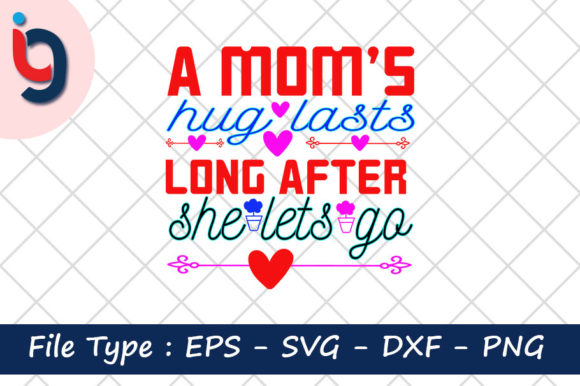
When evaluating a new machine embroidery design for Mother’s Day, I look beyond the sentiment to assess how the artwork will actually perform under the needle. "A Mom s Hug Lasts More After She Lets Go" is a phrase that carries significant emotional weight, but as an experienced designer and product reviewer, my primary concern is whether the visual execution matches that depth. This review breaks down the practical realities of using this specific graphic asset in real-world production, from file versatility to stitching performance on various substrates.
First Impressions and Emotional Resonance
The immediate strength of this design lies in its narrative balance. It avoids the overly saccharine aesthetic that can sometimes alienate modern buyers looking for sophisticated personalized gifts. The layout suggests a thoughtful composition that likely pairs well with both traditional and contemporary typography. As a digital asset included in the ZIP file, the availability of EPS, SVG, PNG, and DXF formats indicates high versatility. For an Etsy seller or craft business owner, this multi-format approach is crucial. It means you aren't limited to just embroidery; you can create matching vinyl decals for tumblers or printable cards using the same cohesive branding.
However, before loading this into your machine, you must assess the visual hierarchy. Does the phrase "Lasts More" stand out sufficiently against "After She Lets Go"? In embroidery, legibility is paramount. If the font is too ornate or the spacing too tight, the message gets lost in the texture of the thread. My first impression is that this design has strong potential for custom apparel, provided the digitizing respects the negative space required for clean stitching.
Real-World Application: The Sweatshirt Test
To truly evaluate this design, I mentally placed it on a heavyweight cotton sweatshirt, which is currently a staple for small shop products and boutique merchandise. Sweatshirts present unique challenges due to their fleece backing and stretch. When embroidering "A Mom s Hug Lasts More After She Lets Go" on this substrate, the interaction between the stitch density and the fabric pile becomes the defining factor.
In this scenario, I would treat this as a center-chest placement rather than a full-back piece. The intimate nature of the quote calls for a closer viewing distance. If the design utilizes a satin stitch for the lettering, you must ensure the column width is appropriate for fleece. Too wide, and the stitches may snag or distort during washing; too narrow, and they might sink into the fabric texture, rendering the text unreadable. A running stitch outline or a textured fill stitch often performs better on sweatshirts than dense satin columns because it allows the garment to retain its drape and softness.
For a tote bag design, the application shifts entirely. Canvas is unforgiving regarding registration errors. Here, the crisp edges of the EPS or DXF source files become valuable. You can verify if the design includes adequate underlay to prevent the canvas weave from showing through lighter thread colors. A successful tote bag project using this design should feel durable and substantial, not stiff or bulletproof. If the digitizer has over-compensated with density, the bag will pucker; if they have under-compensated, the design will look cheap. Testing on scrap canvas is non-negotiable here.
Navigating Fabric Limitations and Hoop Constraints
While this design is versatile, there are specific environments where caution is required. As a professional, I advise against using complex script versions of this design on highly textured fabrics like terry cloth towels or minky blankets without significant modification. The intricate details implied by such a poignant phrase can easily get swallowed by high-pile textures. If you intend to use this for baby embroidery items like bibs or receiving blankets, verify that the design size can be reduced without compromising the integrity of small letters. Reducing a design below 70% of its original size often causes jump stitches to bunch up and lettering to merge.
Hoop size selection also dictates success. This phrase is long. Attempting to squeeze it into a standard 4x4 hoop may force the text into an arch or stack that disrupts the natural reading flow. Always check the physical dimensions of the embroidery file before purchasing or stitching. If the design requires a 5x7 or larger hoop, plan your stabilization accordingly. Larger designs on stretchy knits require cut-away stabilizer and potentially a topping to keep the stitches sitting on top of the fabric rather than sinking in.
Dark fabrics present another variable. If you are stitching white or pastel thread onto navy or black garments, you need to account for shadowing. The design file should ideally include a blocking layer or sufficient underlay to prevent the dark fabric color from bleeding through the stitches. Without this, even a beautiful design like "A Mom s Hug Lasts More After She Lets Go" can look muddy and unprofessional in the final finished product.
Commercial Viability and Brand Consistency
For those running a commercial embroidery business or selling on platforms like Etsy, consistency builds trust. This design asset offers excellent value because the inclusion of vector files (EPS/SVG) allows you to maintain brand cohesion across different mediums. You could offer a bundled product: an embroidered sweatshirt featuring the stitched design alongside a matching mug decal created from the SVG. This elevates the perceived value of your handmade product line.
However, always verify the licensing terms included in the ZIP file. While the description mentions usage for scrapbooking and cutting machines, confirm whether commercial use of the finished embroidered goods is permitted. Protecting your business means ensuring you have the right to sell items featuring this specific artwork. Additionally, when creating printable mockups for your listings, use the high-resolution PNG to show customers exactly what the design looks like before they buy. Accurate representation reduces returns and increases buyer confidence.
Essential Designer Notes for Best Results
Before committing this design to a final project, follow these practical steps to ensure professional quality:
- Test Stitch First: Never run this design directly on a customer’s garment or expensive blank. Always test on a scrap of the exact fabric and stabilizer combination you plan to use.
- Check Thread Contrast: View the design in black and white within your software to judge contrast solely based on value, not hue. This ensures readability regardless of the color palette chosen.
- Inspect Small Details: Zoom in to 100% in your embroidery software to check for overlapping stitches or gaps in the lettering connections. Fix these digitally before stitching.
- Stabilizer Selection: Match your stabilizer weight to the design density and fabric type. Do not rely on tear-away for knit fabrics unless the design is exceptionally light.
- Mockup Verification: Create digital previews on both light and dark backgrounds to see how the design translates visually before production.
- Format Confirmation: Ensure your machine supports the specific file format provided. While most modern machines read DST or PES, confirm compatibility if relying on the provided EPS or DXF for conversion.
"A Mom s Hug Lasts More After She Lets Go" is more than just a seasonal graphic; it is a potential cornerstone for meaningful holiday embroidery collections. By approaching it with technical scrutiny and practical testing, you transform a simple digital download into a high-quality, emotionally resonant product that honors both the sentiment and the craft. Whether you are creating a keepsake patch, a boutique sweatshirt, or a digital asset bundle, respecting the mechanics of embroidery ensures the final result lasts just as long as the hug it describes.